Skipping Christmas

For centuries, Christians have celebrated the birth of Jesus by coming to church to sing, pray, remember, give thanks, and recommit our lives to God.  What were we thinking?

This year, with Christmas falling on Sunday, many churches have decided that the best way to celebrate the coming of Christ is to cancel worship.  The primary reason given is that attendance will be sparse.  When did we decide that the purpose of worship is to draw a crowd?  Attendance at the first Christmas was not big, but God decided to go ahead with it.

A second reason offered is that canceling worship is in keeping with a “family friendly” approach.  A pastor in Melbourne, Florida, says: “Christmas is a big family day, and we’re focused on the family.  We should be able to worship the Lord in our homes, also.”

Huh?  Should churches encourage members to gather with their family for brunch on Easter or go bowling on Good Friday?  When did we get the idea that the primary purpose of the church is to support the family?  The New Testament teaches that the church is our family.  Christians put God ahead of their family.  Jesus felt this so strongly that he said, “Whoever comes to me and does not hate father and mother, wife and children, brothers and sisters cannot be my disciple.” (This verse is not going to make it on to anybody’s Christmas card.)

What about the people without a family—the elderly, singles, lonely people, those a long distance from family?  Isn’t it possible that those who are alone at Christmas need to worship God?

The real issue is not that people will skip church on Sunday.  The problem is that churches are failing to tell the truth about Christmas.  It is hard to read the Gospels and see how our modern Christmas celebration could have begun with the ancient story.  In the Bible, Christmas is not about big crowds, family gatherings, or expensive presents.

The first Christmas marks the beginning of a small, counter-cultural community that puts their trust in God’s way and none of their faith in materialism.  Christmas invites us to have different standards, hopes and dreams than those who do not know the meaning of Christ’s coming.

If we believe that Jesus’ birth changes the world, then we will change the way we see our world.  The work of Christ’s hands will be continued in the work of our hands.  We will have compassion for all people—especially those that are usually left out.  Because Jesus has come, we will walk out of step with the rhythms of the world.

On Sunday morning at 11:00 at Plymouth, we will gather to sing, pray, and listen to the story.  We will celebrate by remembering the first Christmas and giving ourselves again to the hope born in Bethlehem.

BrettYounger_SignatureTransparent

Share

On Love – The Fourth Sunday of Advent

We are told the time of Advent is all about waiting.  Waiting.  Preparing.  Quietly contemplating.  So where does Love fit in?

Is there time for love?  If I’m any example, my days are chock full and noisy. Dashing.  Rushing.  Juggling.  Between working on a presentation—it’s, maybe, really good, but definitely really late; attending holiday performances for school—can I get to the MetLife plaza in time to hear my kid for yet another year; coordinating visiting family over Christmas—wait! I can’t sleep 8 additional people here, and you know “she” doesn’t get along with “her”; baking cookies—“No Mom! not Cinnamon Stars, we wanted Raspberry Thumbprints”; waiting for the cashier who’s taking his or her time—“so what do you do with fennel?”; end-of-year odds and ends—yikes, we’re out of gift wrap; and well, someone’s got to get dinner on the table (every night!).  Where is the time for Love?

Is there the proper setting for love?  The way the days go, are we ever in the right place for love?  The office is sterile, the classroom is noisy, the kitchen is a mess, the sidewalk is crowded, the gym is sweaty, and well, the subway platform is crowded, and something doesn’t smell too good.  Where is the place for Love?

Do I have the capacity to love?  You mean you want more than I’m already giving.  It’s not enough that I go to church on Sunday, that I write an extra check to a good cause, that I’m baking and buying and shopping, that I’m here for you!  So I ask again, where does Love fit in?

I’m stuck on the wrong love.  Here I am talking about drumming up and doling out more of the same.  But we’re talking about a different kind of love altogether.

Advent offers us a sanctuary for a quiet moment of relationship to God amid the noise of the season.  The coming of Christ is our sign of the presence of divine love in our lives, in our relationships, in our world, and in us.  The coming of Christ is our marker of divine love.

How ironic that I and others take this season devoted to the birth of Christ and allow it to drown out just exactly that quiet contemplative love.  Could the advent of divine love free me and free others from my self-centeredness?  Might I then experience my own possibility for good will? It’s easy to love my friends, but not so easy to love the slow cashier, the demanding client, the pushy parents, the needy child, and the fetid masses.

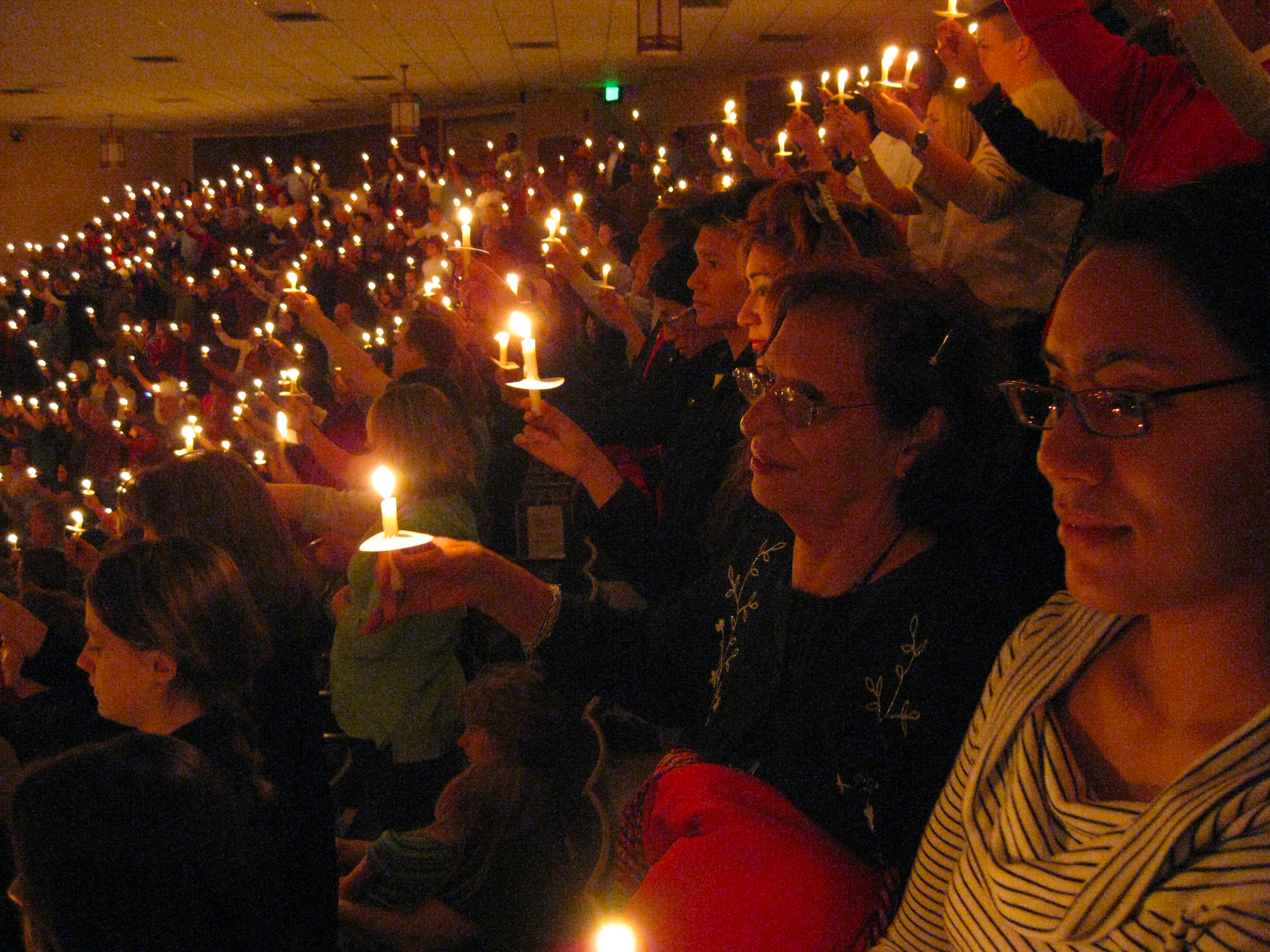
At this Christmastime, as we experience the season, as we gather and celebrate the coming of Christ, let us feel divine love and pour out our love and receive love in worship, among friends, family, our global community, and our faith.

Penelope Kulko

Share

Advent Joy


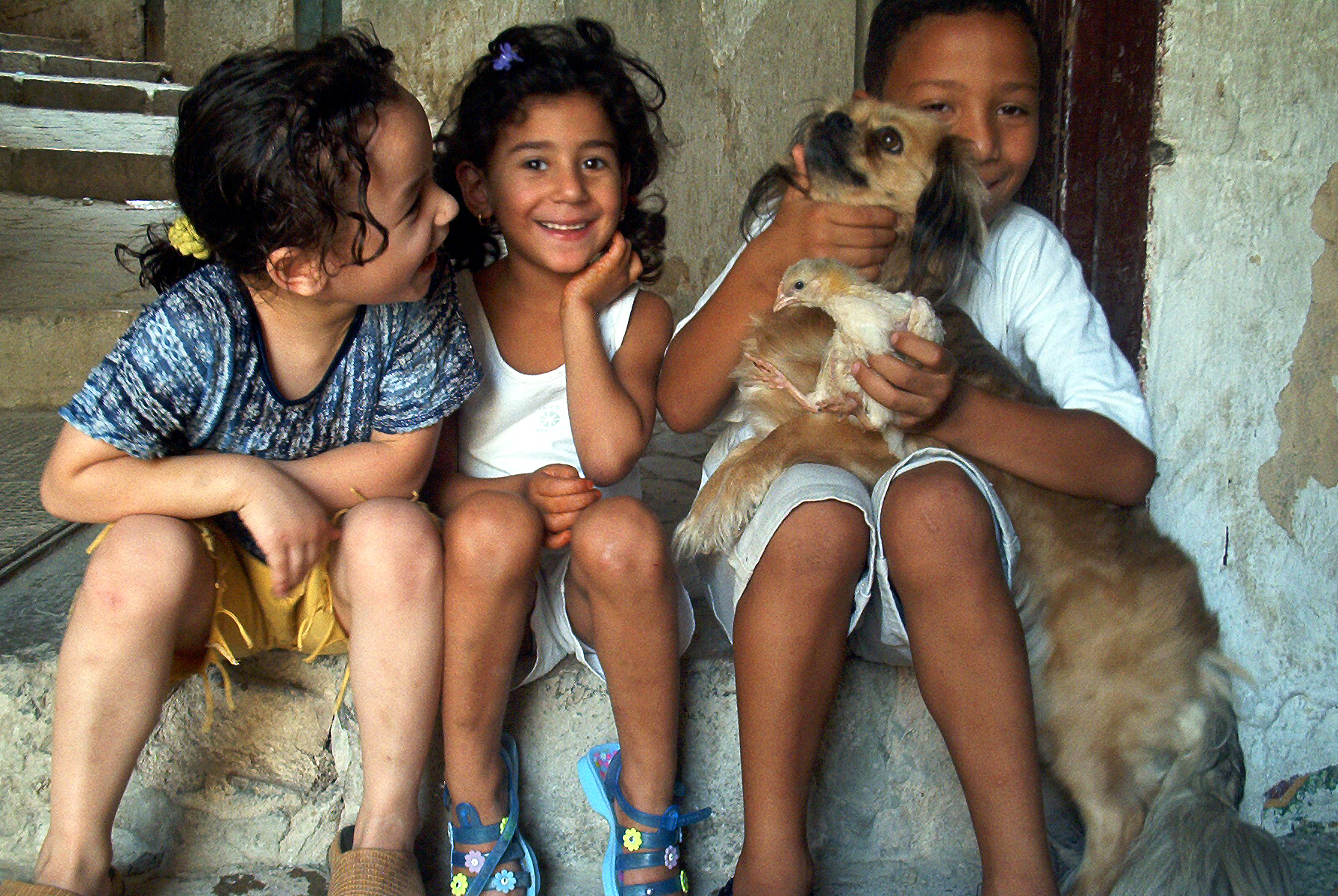
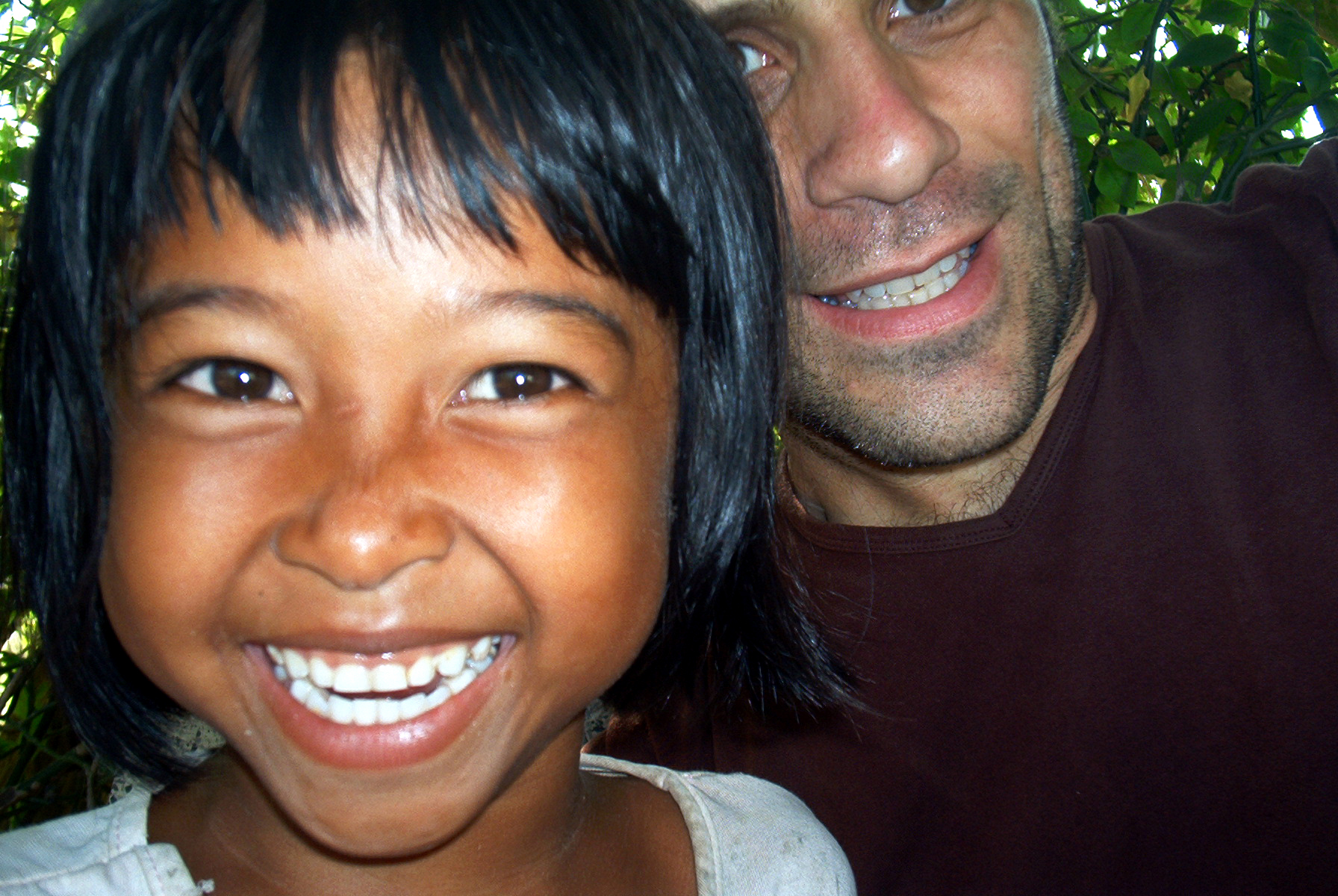
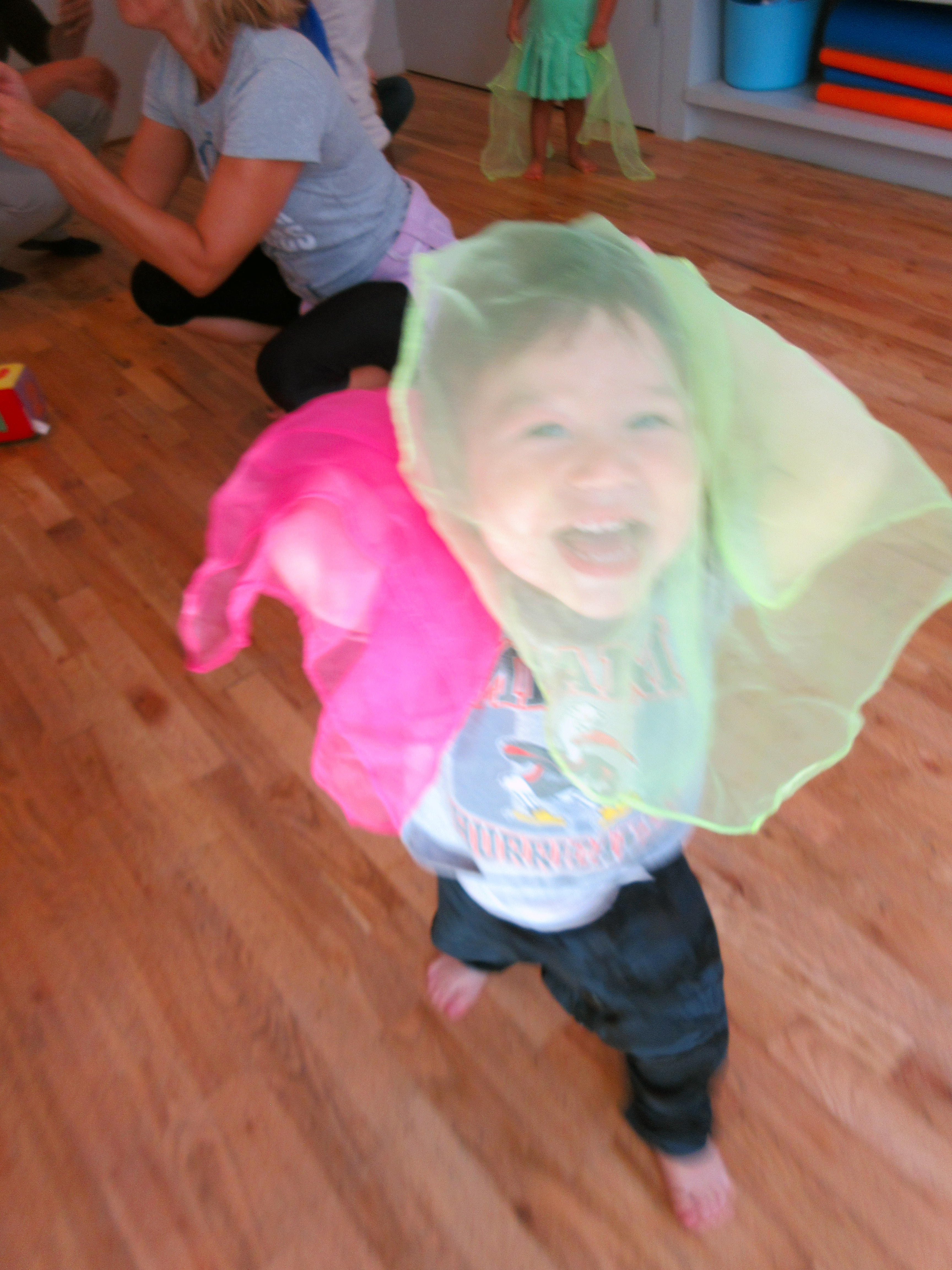
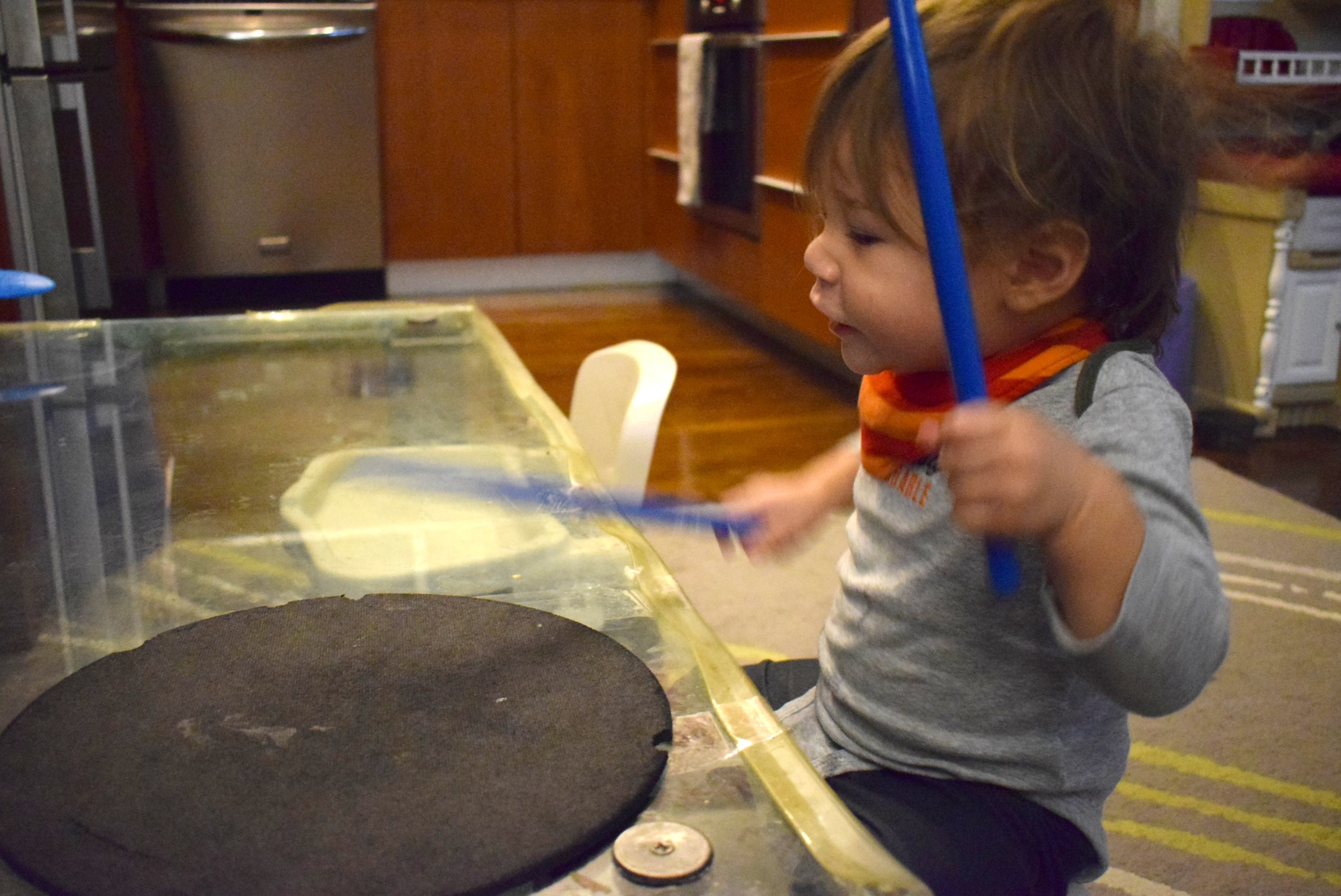
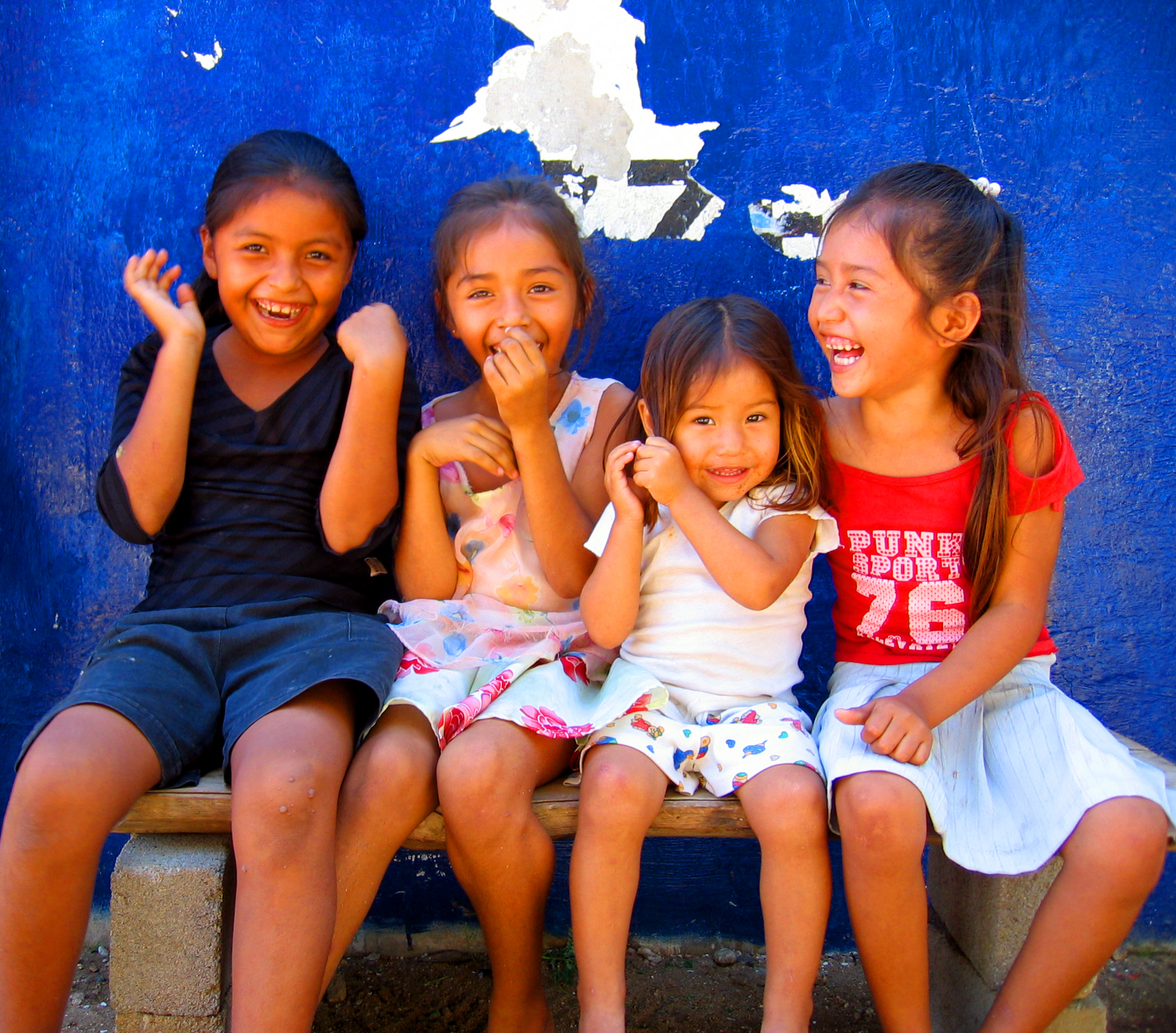
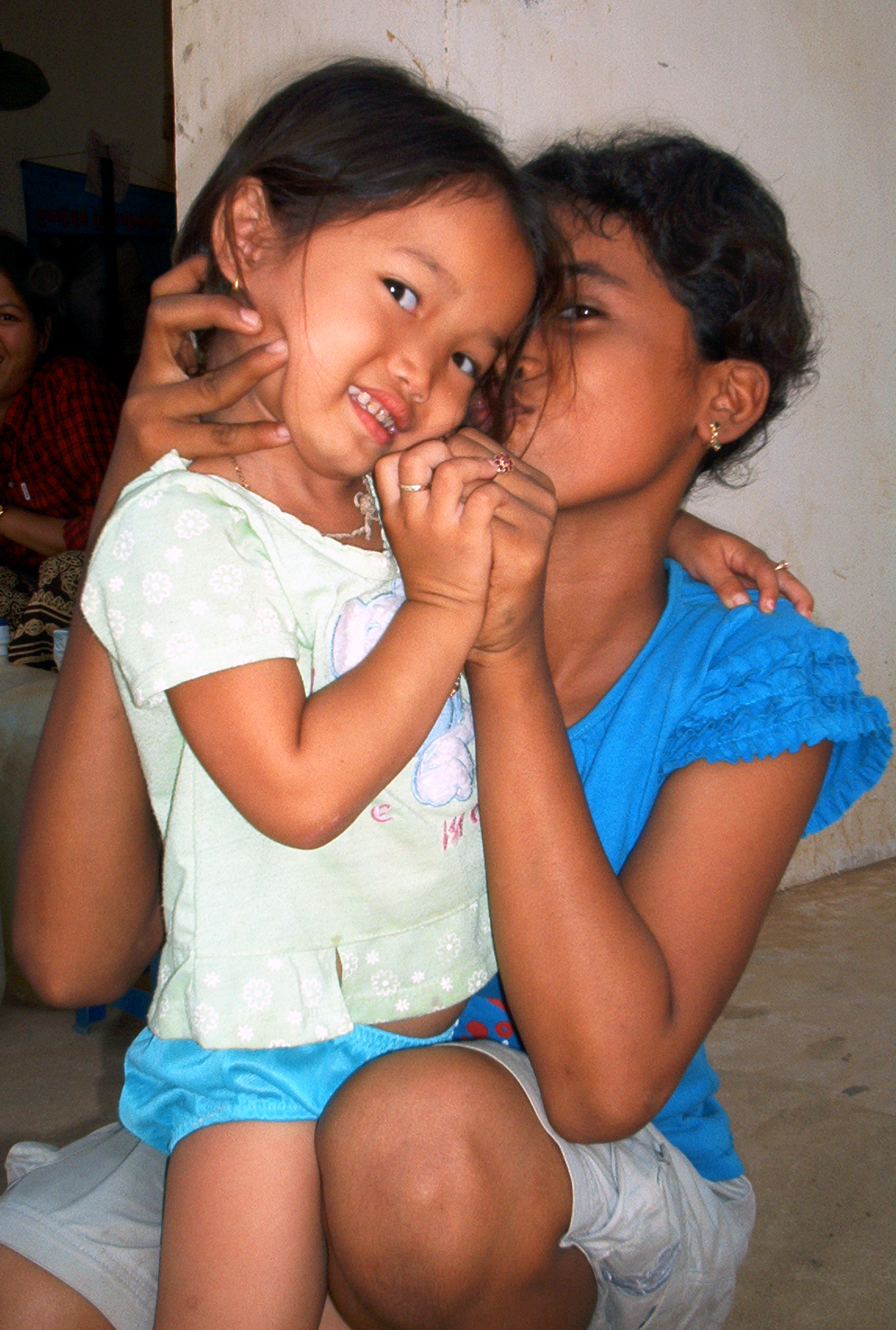
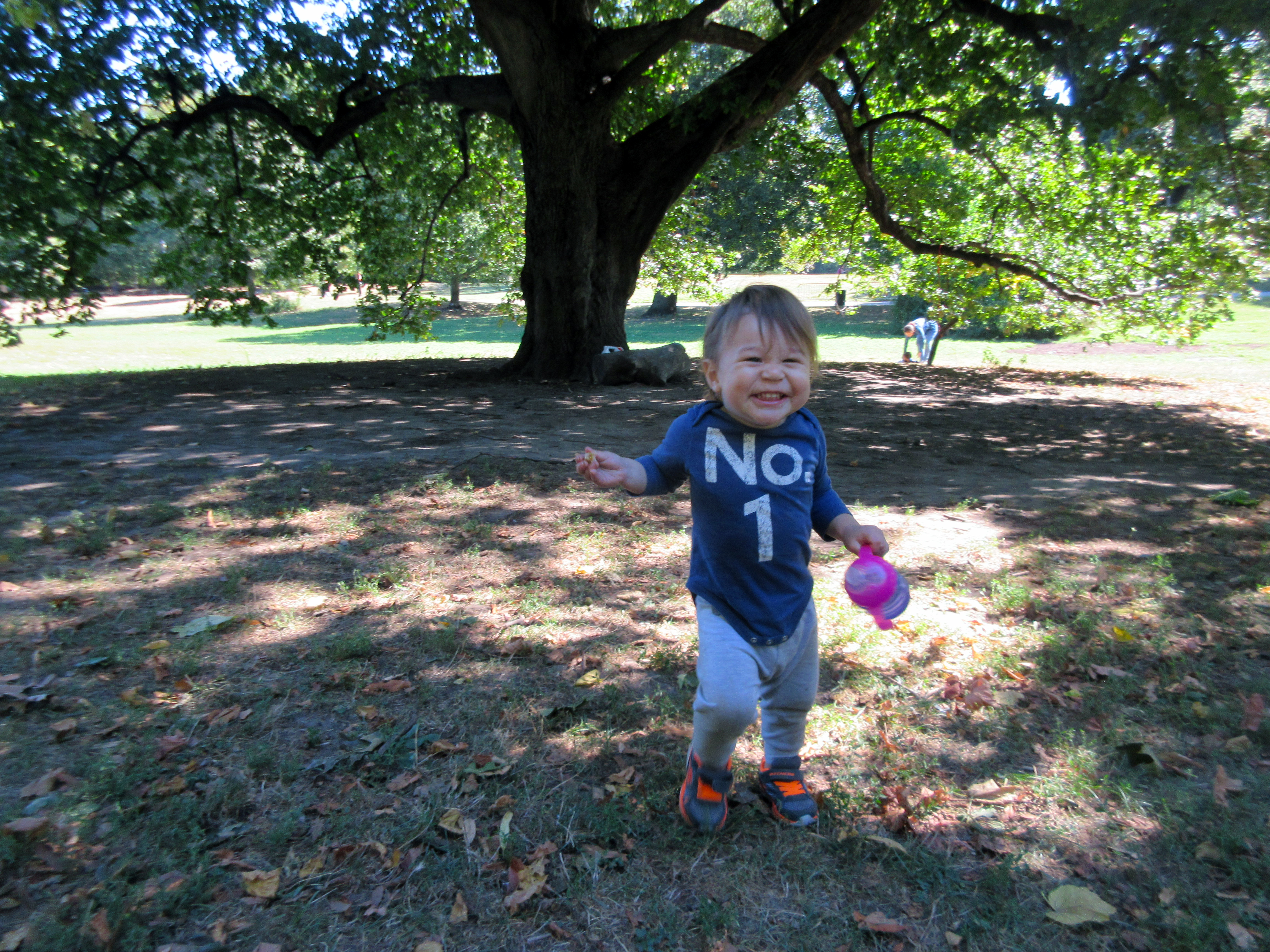
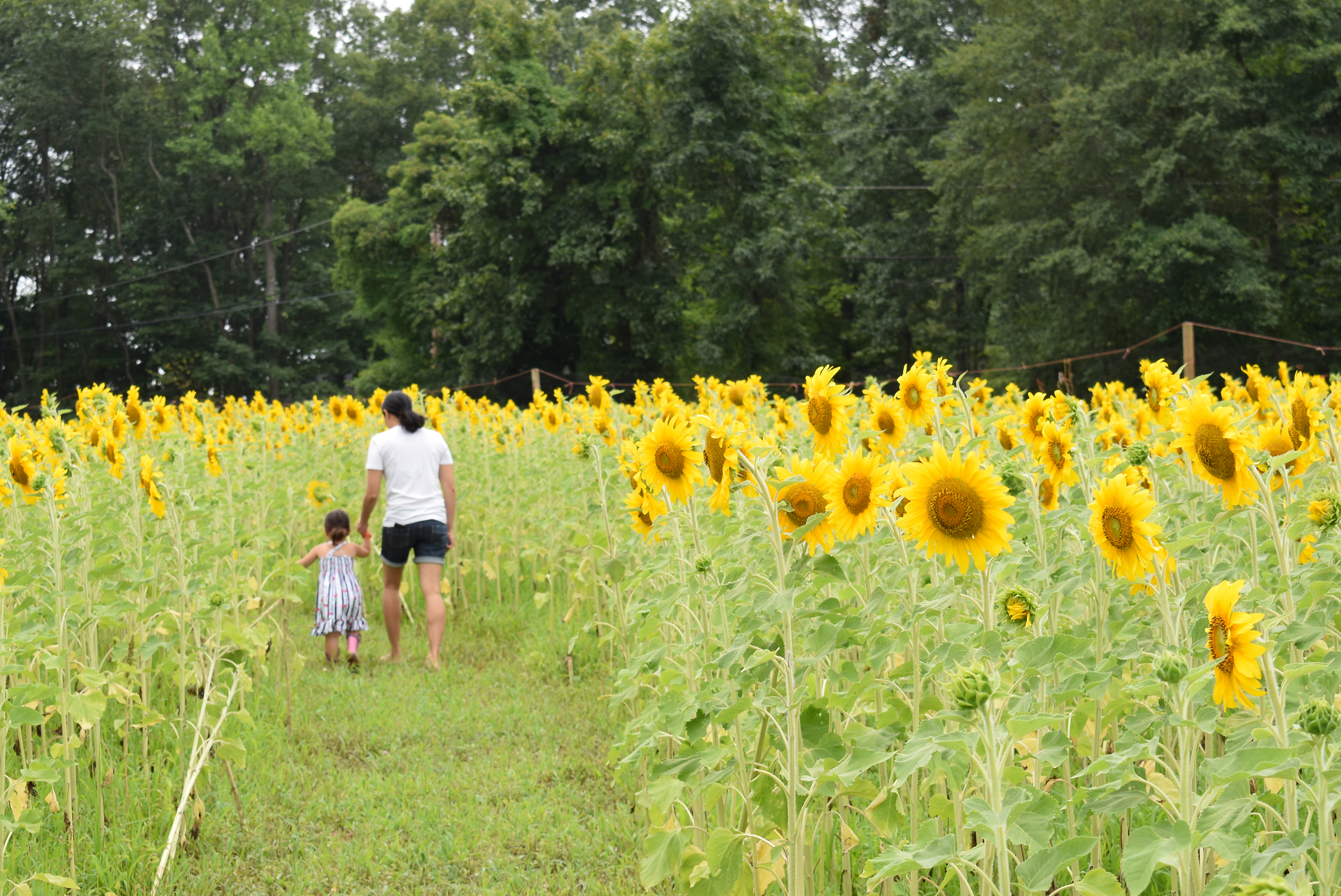
Joy is, in my opinion, best visually represented by the young. As we get older we unfortunately turn down the physical expressions of such emotions to some degree (except when it comes to family). It’s mostly in the young where our true visual manifestation of such a powerful emotion can fully be expressed to the eye with such abandonment. Please pardon my obvious and sometimes not so obvious depictions of this wonderful feeling. Oh and by the way, this was a joy to do -)

Joy is something you Give
Joy is
something you See
Joy is
something you Feel

Joy Is the Love we share

Joy Is Doing God’s Work, even in unexpected ways

Joy Is the Beauty before us – if only we open our eyes

Joy Is What We Bring to life

Here are some of my favorite quotes on Joy:

“Remember to light the candle of joy daily and all the gloom will disappear from your life.” – Djwhal Khu

Joy is not the absence of suffering. It is the presence of God.” – Robert Schuller

“In thy presence is fullness of joy.” – Psalms 16:11

“We are shaped by our thoughts; we become what we think. When the mind is pure, joy follows like a shadow that never leaves.” – Guatama Buddha

Joy is not in things; it is in us.” – Richard Wagner

Joy is the infallible sign of the Presence of God.” – Pierre Teilhard de Chardi

“Heaven, the treasury of everlasting Joy.” – Shakespeare

Joy is prayer – Joy is strength – Joy is love – Joy is a net of love
by which you can catch souls.” – Mother Teresa

“Now and then it is good to pause in our pursuit of Joy 
and just be Joyful.” – Anonymous

Chris DeRosa

For lots of Chris’ Pics, go to www.chrisderosa.net

© 2017 Chris DeRosa  Pictures From Terrafirma

Share

Advent Peace

During my senior year in high school I was a columnist for the school newspaper.  For one issue, I got the idea to write an entire column that was just one sentence and to see if anyone noticed.  What topic was so broad, so vague and nebulous, as to permit such a ruse?  Peace, I decided.  I composed a draft which some poor student teacher accidentally graded, thinking it was serious.  I eventually wrote the column about something else and won an award for it, but I still occasionally wonder at the utter drivel I must have written the first time.

But it occurs to me peace is a temporal state that has a clear forerunner and clear descendant (hey, I’m always up to pontificate on this topic).  The forerunner of peace is truth, or rather, truth is the origin of peace. I remember being rather amazed at the truth and reconciliation commissions of the past decades. You mean they just openly discuss all the crimes they did, and review the past, in an attempt to move past it and heal?  But from all accounts it worked.  That alchemical quality of a real solution, of an answer, drawn not from any specific “side,” but only from God.  Only God knows truth, and when pure truth, or as pure as we get here on Earth, comes into play amazing things happen.  However, truth is hard.  It is also surprisingly quotidian, unremarkable, and complex.  As any fiction reader knows, there is a lot of truth to be unpacked at any moment within anyone, and counterintuitively reading widely in serious literature will only deepen your knowledge of truth.

But peace is temporary unless people work to preserve it.  It is subject to entropy.  Peace requires mission.  It requires vigilance, and renewal of covenantal values.  It requires adults adulting, which is not in vogue. I was watching a 60 Minutes report about a school that took on teens at risk for gang violence.  A graduate reported the school, which had saved his life, would no longer accept a kid like he once was.  It had turned away from its mission, he claimed.  Mission work, like truth, is also quotidian, unremarkable, and complex.  My main memory from volunteering is not glory but all the joyful toil.

Peace does not come from the proverbial sky, it is created and preserved on earth by us, if we so wish.

John Leighton

Share

Advent Hope

All of us are hoping for something.  I’ve had more than a fair share of hopes these first weeks in Brooklyn.  I spent my first hour here hoping that my box spring would fit through my door if we tried one more time.  I hope that I learn to properly use my washer/dryer combo so that I don’t have to iron every article of clothing that comes out of it.  I hope what I think is curbing my dog is actually curbing my dog.

That’s one kind of hope.  There are also hopes that carry more weight.  We hope our children handle preschool well.  We hope our marriage gets stronger when it feels strained.  We hope our new president-elect will do a good job. We hope that our families will be happy and healthy.

A few nights after I moved here, I was wearing Converse tennis shoes walking down State Street.  As I look down at my feet, crying, I experienced God-hope.   A small wave of missing my old life came.  My dog, my family, my friends, all that was familiar felt suddenly out of reach.   But, as I looked down at my feet, through watery, blurred eyes, I experienced a flash of how fully I will one day understand exactly why God brought me here.  It was hope.  Hope is not about certainty.  We cannot be certain that everything in life is going to go well.  Hope, rather, is a choice in the absence of certainty that makes all the difference.  Hope is a promise in God’s story made to you and me and anyone willing to choose it in the face of uncertainty.

We are invited to participate in a great hope that cannot be taken away.  Hope that love, God-love, will become second nature in and through us.  Hope is the gift of Jesus Christ.  We may not get angels and shepherds reminding us to hope, but the gift of God among us is forever present if we are looking for it.  And, that IS reason for hope.

Welcome to the season of a greater hope.  Welcome to Advent, a time carved out of this year for the purpose of reflecting on greater hope; hope that things are being made right, hope that what is broken is being restored, hope that love will win and that joy and peace are already here, waiting for us.  We need to live with that hope.

Liz Coates

Share

Stopping Prayer Vigils

In the last week, Jewish synagogues have been defaced with swastikas.  Latina women have been threatened.  Muslim women have been forced to remove their hijabs.  On Veterans Day, Marie Boyle, a U.S. army veteran from the Philippines, was told to “Go back to Mexico.”

I do not want to go to another vigil.  Sometime soon someone will easily obtain a gun no hunter would ever use.  He will open fire in a room full of innocent people.

Clergy will organize a vigil where we read the names of the victims.  We will grieve for the families of those who died.  We will read scripture.  We will pray for an end to gun violence.

We will give anyone paying careful attention the impression that we are not sure that God and God’s people working together can stop or even slow gun violence.  The ministers will not offer concrete suggestions as to how we might prevent the next tragedy.  The ministers will either be afraid of offending someone or they will not know what to suggest.  Does a prayer vigil that leads to no action make us complicit?

The temptation for those who have worked against the easy availability of guns is, if not to give up, to stop trying so hard.  But this is not the time to—as one of my dear friends put it—binge watch The West Wing and eat ice cream.  This is the time to be vigilant.

This is the time to work to make it harder to die from gun violence.  More than 30 people in our nation are murdered by guns on an average day.

Gun violence is a domestic violence problem.  In an average month, 51 women are shot to death by a current or former husband or boyfriend.
Gun violence is a child abuse problem.  The number of children and teens killed by guns in one year would fill 126 classrooms of 20 students each.

Gun violence is a mental health problem.  21,000 suicides are committed using guns each year.  College students dealing with depression are especially at risk.

Gun violence is a safety problem.  More than 45 people are shot accidentally each day.  (Statistics are from faithinpubliclife.org, everytown.org, and childrensdefense.org.)

Gun violence is a faith problem.  Christians have to be broken-hearted by the gun deaths in our country.  Each person killed by a gun is a child of God.  We have to be more concerned with the sixth commandment than the second amendment.  We may like to say that gun violence is as prevalent as it is because politicians are afraid of losing their jobs, but it is also true that Christians have not worked as we should to end the violence.  We cannot pretend we cannot do anything.

We can work to strengthen background checks.  40% of the guns sold legally in the United States are bought without a background check.  No records are kept.  No questions are asked.  Criminals buy guns online from unlicensed sellers.

We can insist that background check laws work.  Connecticut improved their background check laws and cut gun deaths by 40 percent.  Missouri repealed their background check laws and gun deaths increased by 40 percent.  Common sense demands we keep guns out of the hands of felons, domestic abusers, and those adjudicated as mentally ill.  We can regulate guns as closely as we do cars.

We can require locks that make it harder to pull a trigger and lower the number of accidental shootings.   We can work to ban the automatic weapons that seem to have no purpose other than mass shootings.

Christians disagree on how best to address the epidemic of gun violence, but we cannot disagree on the tragic nature of gun violence.  We have to do something.  Support courageous politicians.  Write letters to the ones who are not courageous.  Speak up for common sense gun laws that make our streets and sanctuaries safe.  Defend the right of families to walk their neighborhoods without the risk of being shot.

Pray for an end to prayer vigils.  Pray for the time when we have no list of victims’ names to read.  Pray that we will have the courage to speak up.  Pray that we will realize that, especially in hard times, God expects more from us.

BrettYounger_SignatureTransparent

Share

Antonio’s Biscuits and Spoons

We closed the shelter at the end of October.  It moved to Grace Church for November. I paused to chat with Antonio as we were putting things away. He told me he was born at Long Island Jewish Hospital and lived all his life in New York. Most of his life he worked as a school security guard.  He rattled off the names of schools spanning several boroughs and several decades where he worked. I watched in fascination as he pulled out his overstuffed wallet. It was shaped more like a rounded fist than a wallet. It was jammed with ID cards and business cards. He kept the ID cards from every place he worked, schools and other employers, making his wallet a portable scrapbook of his working years. He shuffled through the stack and pulled out one from the Andrew Jackson School, with a photo showing him in younger days. Antonio told me he never married and never had children, but he loved being around children. Security guard jobs were perfect for him. He is retired now, and spends most of his time helping his ageing father and looking for a place to live he can afford.

I don’t remember how we got on to the topic of music.  He told me about his uncle who had been the musical heart of his family. His uncle was a natural musician. He played and built guitars. There was music in the room and in the family when he was around. Among other things, this uncle had coached a local baseball team. One night at a celebratory party for the team, he intervened in a fight between two people and was shot and killed. Antonio said there was still music in the family, but it hadn’t been the same since.

I cooked chicken stew with biscuits on top for the shelter dinner the night before.  Slaw, zucchini bread and brownies made the dinner complete. It was a popular meal.  They liked the stew very much.  They REALLY liked the biscuits. Unfortunately, demand for the biscuits exceeded the supply. The slaw was less popular. The zucchini bread was regarded with some skepticism. The brownies vanished quickly. Next morning our guests packed the left over stew and slaw in takeout containers for their lunch. Antonio fixed himself some takeout.  He noticed there was food left in the pans after the other guests packed their lunches. He asked if it would be OK for him to pack a second lunch to take to other people who are hungry. He also asked if he could have a few of the plastic spoons we have at Plymouth. He said they were easier for his father to handle than the spoons he usually uses.  He meticulously wrapped four of them in a napkin for his dad.

We talked a bit longer, until he realized all the other guests left. He headed to the door toting his bag of food. There was a hand shake and a thank you.  Then he paused to look up with what I presumed to be a kind of hat tip to God.

I made a note to myself – the next time I cook for the shelter, whatever else I cook, make a ton of biscuits.

Jacque Jones

Share

The column in which I tell you how to vote

This year’s presidential campaign has been depressing for many of us.  There are major religious issues facing our country that do not seem important to either major political party.

Caring for the poor is a religious issue.  While both parties argue over the middle class, no one is putting forth courageous policies that offer a real chance to poor families.

War is a religious issue.  Jesus’ call to be peacemakers and love our enemies would seem out of place in either party’s platform.  Do people even remember that we have troops in Afghanistan?

Telling the truth is a religious issue.  After each debate, media outlets print lists of lies each candidate has told.  Both lists are getting longer.

Neither of the major parties is making a serious effort to consider how free trade could be used to alleviate hunger, how basic medical coverage could be adjusted to lessen suffering, or how scrupulous concern for justice in the international arena could alleviate anger towards our country.

Christians are smart enough to consider issues beyond the last ridiculous punchline.  Immigration, prison reform, and the environment matter to Christians because our faith has something to say about hospitality, revenge, and creation.

When Dorothy Day was criticized for what observers saw as the inconsistency of her “radical” political life and “conservative” religious life, she responded, “I don’t act politically on the street or worship in church to fit in with people who are radical or people who are conservative.  I read the Bible.  I try to pay attention to the life of Jesus Christ.  I try to follow his example.  I stumble all of the time, but I try to keep going—along the road he walked for us.  I belong to a church, and when I made the decision to join it, I knew my whole life would change.  For me, everything is religious—politics and the family and work, they all are part of our obligation to follow our Lord’s way.”

Imagine the good our country could do if Christians followed “our Lord’s way” and took God’s concern for the poor, peace, and honesty into the voting booth.  What wonderful things would happen if our values were derived from the life of Christ rather than political partisanship?

Sincere Christians can choose to vote for different candidates for reasons deeply rooted in their faith.  We can and do disagree on how to enhance human rights, protect children, promote racial reconciliation, and support gender equality.  We may also share frustration that our politicians tend to appeal only to individual interests, national interests, and special interests.  Faith leads us away from narrow-mindedness to act for the good of others.

Ours is a remarkable country with lofty, worthy goals.  Participate in the process, pay attention to more than the superficial, and vote with concern for all people.  On November 8, I will walk to P.S. 8 to cast my ballot.  I will vote with appreciation for the privilege and disappointment at some of the choices we have been given.

BrettYounger_SignatureTransparent

Share

Why Brooklyn Needs Plymouth

When my styNew York City in the glow of sunsetlist at Supercuts finds out that I have only lived in Brooklyn for five months, she offers to explain New York to me.  She looks me in the eye and says, “If you love New York, she will love you back.  If you don’t love New York, then you need to leave right now.”

I love New York and, most days, she loves me back.  I wake up in the morning and thank God that I am here.  The river, the skyline, and the people rushing around make me grateful.  I am thankful for the amazing art, theater, and food.  Our city is vibrant, diverse, and resilient.

But I have also been here long enough to know that New York is complicated.  Some things are more difficult here.  Driving unpainted, narrow streets filled with bicycles, scooters, adventurous pedestrians, and aggressive taxi drivers is frightening.  Parking—alternate side unless it’s a street cleaning weekday with an R in it 8 am to 6 pm—is confusing.  Paying a reasonable amount for housing is impossible.  Raising a family is tough.  Helping children get the best education is complicated.  Lugging groceries home is problematic.  Finding a quiet place or a restroom or a way to retire is tricky.  Being kind is challenging.  Making friends is difficult.  Feeling like you matter is hard.

New York makes it clear that we need the church.  We need others to help us recognize God’s presence.  When the city treats us poorly, when we feel confused, alone, or sad, we need Plymouth.

We need Plymouth because we need a place where people know who we are, treat us with kindness, and let us be kind.  We need a place where people listen to us, talk about the things that matter most, and trust us.  We need a place to spend time with children and senior adults, be around those with a deep sense of spirituality, and serve those who need our help.  We need a place to pray, sing, give, and listen for the Spirit.  We need Plymouth.

Dorothy Parker said, “London is satisfied, Paris is resigned, but New York is always hopeful.  Always it believes that something good is about to come off, and it must hurry to meet it.”

That is a good description of the church Brooklyn needs—always hopeful, believing something good is about to happen, hurrying to meet God.

BrettYounger_SignatureTransparent


Share

How to Ride the Subway

tube-chat

Londoners have reacted with horror to an attempt to get them to speak to one another on the subway.  Three weeks ago “Tube Chat?” buttons began encouraging riders to engage in conversations with fellow travelers.  The response on social media has been universal distress:

“I feel like civilization is ending.”

“You can lead a horse to water, but you cannot lead a Londoner into social interaction on the Tube.”

“It’s bad enough on above ground trains, where random strangers want to talk while I’m on Twitter, chatting to random strangers.”

New buttons have appeared: “Don’t even think about speaking to me,” “Wake me up if a dog gets on,” and “Nope.”

One Londoner argued:  “Only drunks, lunatics and Americans talk on the Tube.  Resentful silence is the proper way.”

The man behind this attempt to get commuters talking is indeed an American.  Jonathan Dunne admits that he has not received the friendly experience for which he hoped.  He explains his motivation by saying he comes from a small town in Colorado where “We actually talk to people.”

When I moved to Brooklyn, I got lots of advice on how to ride the subway:

Do not be discouraged if your metro card does not work on the first five swipes

If there is an empty car, avoid it.  There is a reason it is empty.

You should offer your seat to a woman with a small child or a pregnant woman—though she should be at least eight months pregnant.

Hang on to the pole.  This is no place to pretend you are surfing.

Face the right direction—the direction everyone else is facing.

If you look at the “NEXT STOP IS . . .” sign, you look like a tourist.

Do not stare at anything that is hard not to stare at.  This includes tattoos, piercings, uncovered body parts, and hair colors Disney has never tried.

Do not pay attention to the crazy guy giving a speech—even if he is making sense.

If someone tries to hand you something, do not take it.

Move to the side to let people get off the train and avoid getting moved off the train.

I enjoy riding the subway.  I am amazed by the number of nationalities you see.  I love the singers and musicians—both the ones who have permission to be there and the ones who clearly do not.  $2.75 is a bargain.

An early morning subway car can be amazingly quiet.  When this many people live this close together, we need to give each other space so, for the most part, we leave each other alone.

Commuters hold on to their coffee as if it is their last hope.  College students study.  People in suits read The Wall Street Journal.  People in Philadelphia jerseys read The New York Post.  Teenagers play the kind of games I am too smart to put on my phone, but which I wish I had on my phone.  Lots of folks wear earbuds which may or may not be connected to anything.  Commuters have a surprising level of weariness.

While I love riding the subway, I am afraid it might make me less caring.  I do not want my silence to become apathy.  I do not want to learn to ignore those around me, so here is what I am doing.  I look at the people on the train.  I look at each face and say to myself, “God loves you.”  That crying little boy.  That elderly woman.  That angry man.  That bored teenage girl.  I need to think “God loves you” so that I will remember that it is true.

And if there is ever a moment when it does not seem horrifying, I will start a conversation.

BrettYounger_SignatureTransparent

Share